Make a sushi chain incremental with AI
A pixel-art incremental game built part by part with Claude Code: run a sushi bar, open card packs for ingredients, invent new sushi from them and grow a chain of restaurants, until it is a game you could publish. Every part ends with a game you can play.
What you'll make
The game as it stands after part 15. All six cities: a hand of cards, unlock moments and an 8-hour route. Open full screen
The plan
Part by part: a shop people want to watch, card packs with six rarity tiers, inventing sushi from ingredient cards with flavour rules taken from real sushi chefs, an economy measured by a bot that plays it, new restaurants across Japan, sound and juice, and finally saving, settings and a store page. Before each part we research how real games do it and write that into a skill.
The parts
-
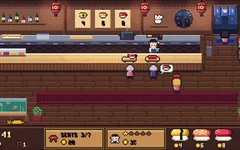 Part 1. A pixel sushi bar in one prompt: customers, a chef and coins, Kairosoft style One prompt and a skill gave us a tiny pixel-art sushi bar that runs itself: 30 different customers, a chef who slices and presses, moods you can read without words, and coins to spend. Part 1 of a sushi chain incremental. Play it.
-
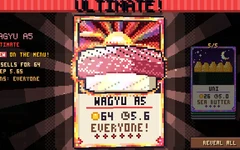 Part 2. Card packs that feel like an event: six rarity tiers, holo foil and fair odds One prompt and a skill added card packs to our pixel sushi bar: 28 sushi cards from Common to Ultimate, each tier with one more effect, a reveal that builds to the best card, shown odds, pity and no wasted duplicates. Part 2. Open a pack.
-
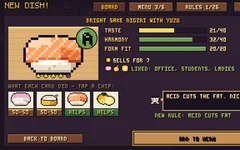 Part 3. Inventing sushi with flavour rules from real chefs: a crafting system you can learn One prompt and a skill turned our card packs into ingredients: combine rice, toppings, sauces and preparations into your own sushi. 26 rules from Edomae chefs decide what's great and what's a disaster, and every try teaches one. Part 3. Make a dish.
-
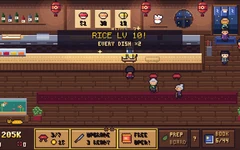 Part 4. Balancing an incremental game with bots that play it: an hour with no dead time One prompt and a skill rebuilt our sushi bar's economy: upgrade lines with ×2 milestones, numbers that stay readable, and bots that played 84 hours of the real game in 14 seconds to prove there is always something to buy. Part 4. Play the first hour.
-
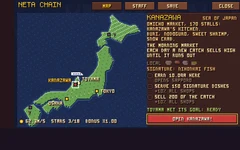 Part 5. From one sushi bar to a chain across Japan: six cities, each with its own local sushi One prompt and a skill grew our pixel sushi bar into a six-shop chain: a conveyor belt in Osaka, pressed masu-zushi in Toyama, a fish market in Kanazawa, seasons in Sapporo and night rushes in Fukuoka, plus managers, saving, earnings while away and real credits. Part 5.
-
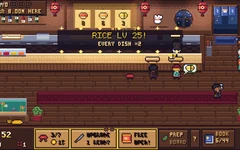 Part 6. Juice, sound and music for an incremental game: loud when it matters, never noise One prompt and a skill gave our sushi chain three tiers of feedback, sounds for the kitchen and the customers, and layered music for six cities that can play for hours, all made in code. Busy moments merge so automation never becomes noise. Part 6. Listen to each city.
-
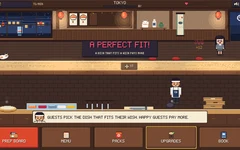 Part 7. Starting over: rebuilding our sushi game from one design brief, at twice the resolution Six parts in, our game had problems no patch could fix. So we wrote one page of design brief and let Claude Code rebuild it from scratch: inventing sushi first, guests who ask for flavours, and pixel art at 640×360 with faces that can act. Part 7. Play the new first five minutes.
-
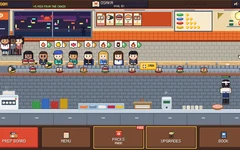 Part 8. A second city that plays differently: Osaka's conveyor belt, and a chain built for parallel sessions The rebuilt Neta becomes a chain: a train to Osaka, managers, earnings while away and credits. Osaka is a different place with a real twist, a conveyor belt where you choose each dish's plate colour. And every city is now a folder, so four more can be built at once. Part 8.
-
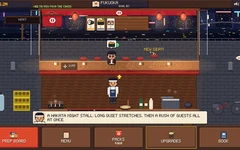 Part 9. Four cities built at the same time by four Claude Code sessions, and not one merge conflict Toyama's masu press, Kanazawa's morning catch, Sapporo's seasons and Fukuoka's night-stall rushes were each built by a separate Claude Code session in parallel, touching only their own folder. One more session put them together. Our sushi chain now plays from Tokyo to the credits in about 3.5 hours. Part 9.
-
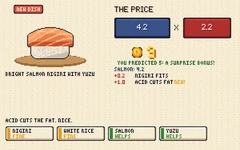 Part 10. An incremental is about numbers: rebuilding our sushi game's core loop after one playtest A playtest of Neta said it plays like a simulation: guests with tastes, free ingredients and packs that feel like nothing. One Claude Code session rebuilt the loop around price: ingredients that run out, one try per card, duplicates that level up, and a price that counts up like a Balatro hand. Part 10.
-
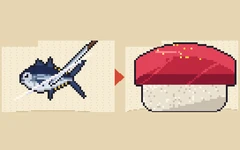 Part 11. Show the fish, not the sushi: 77 ingredient cards redrawn so cooking feels like a reward Our sushi game's cards showed finished sushi, so a card looked just like the dish you made from it. One Claude Code session redrew all 77 as raw ingredients, from a whole bluefin to a yuzu fruit, and made cooking a visible change: the knife cuts, the slice lands on the rice, the price counts up. Part 11.
-
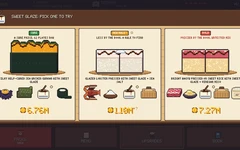 Part 12. Fewer choices, better choices: 3-card packs and a pick of three for every new card A second playtest of Neta found too much on screen: 8-card packs, a workbench full of ingredients, black silhouettes of locked cards. Two Claude Code sessions cut it down: 3-card packs, one try per new card as a pick of three readable trade-offs, and only what you own on screen. Part 12.
-
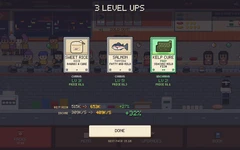 Part 13. Do the math first: why every upgrade felt like nothing, and why packs shouldn't promise new cards A playtester got stuck in Osaka: upgrades did almost nothing and the cards ran out. The bots never noticed. The cause was simple math: additive upgrades shrink every level, and promised new cards drain the pool. One Claude Code session rebuilt both to a written formula and added a bot that plays like a first-time player. Part 13.
-
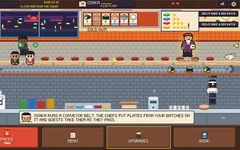 Part 14. What Cookie Clicker's numbers taught our sushi game: small buys, big jumps and a visitor worth clicking We read Cookie Clicker's real numbers from its console and simulated its first four hours: most purchases add only 1-5%, broken by rare x2 jumps and golden cookies. Three Claude Code sessions gave Neta the same rhythm, a collection multiplier and a visitor to click. Part 14.
-
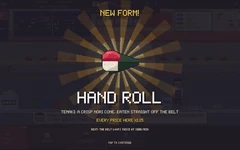 Part 15. A hand of cards, unlock fanfares and an 8-hour route: our sushi incremental's fourth playtest The fourth playtest of Neta said everything was too smooth: no special moments, packs too often, no reason to study combos. Five Claude Code sessions added a hand of single-use ingredient cards, a ladder of unlock moments in every city with a fanfare, and retuned the route to about 8 hours. Part 15.
Coming next: Free packs at unlock steps, then another playtest.
Skills this series uses
Each one is a small folder you put in your project (.claude/skills/) so Claude Code follows the same rules we did. Every skill was written from research into how real games do it, with the sources in its files.
- shop-sim Used in part 1
A Kairosoft-style shop seen from above: one key image first, tiny people from parts, food that looks delicious, moods you can read without words, and a headless measurement.
- card-packs Used in parts 2 and 11
Six rarity tiers that each add one visible effect, crisp pixel cards with holo shine, a reveal that builds to the best card, shown odds, pity and no wasted duplicates.
- sushi-crafting Used in parts 3, 10, 12 and 15
Combination crafting for an incremental: tags and rules from real chef practice that multiply the price, ingredients that run out and refill, one try per card, and a price that builds up on screen.
- idle-economy Used in parts 4, 13 and 14
Balance an incremental with bots that play the real game: payback time, ×2 milestones, no dead time, plateaus that a new system breaks, and readable big numbers.
- restaurant-chain Used in part 5
Grow one shop into a finite campaign of locations with their own twists, managers, offline earnings, versioned saves and a real ending.
- shop-juice Used in part 6
Three tiers of feedback scaled to the result, merged events when it gets busy, world sounds with variations, layered music for hours and a measured browser mix.
- art-polish Used in part 7
Take low-resolution pixel art to high detail: 640×360, characters with faces that act, food in three sizes, distinct places, and a strict pipeline for any image-model art.
- parallel-content Used in part 9
Build many levels or locations at once with parallel sessions: one folder per piece, automatic discovery, a written contract, no shared edits, and one session to integrate.